
Portuguese Immigrants Shape the Central Valley
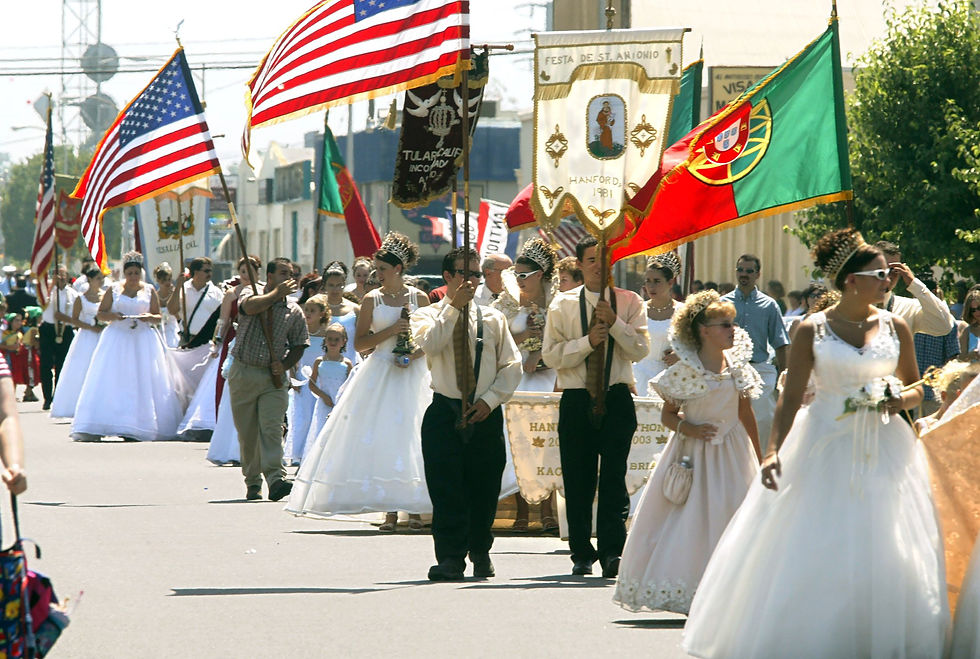
From Fado music and festas to bullfights and more, Portuguese culture has been shaping the Central Valley since the first immigrants arrived here in the 1870s. They were mainly from the Azores, a group of nine islands in the Atlantic Ocean that are part of Portugal. Drawn by abundant farmland, a familiar climate, and steady labor demand, they began building a community that continues to shape the Central Valley’s agricultural and cultural identity.
Portuguese immigrants found work first as sheep herders. Their early success sparked more immigration, with letters home encouraging relatives and neighbors to follow. Many eventually settled in communities such as Lemoore and Riverdale.

By the early 1900s, as the sheep industry was declining, Portuguese families turned to dairying. Milking cows by hand became their foot in the door to the industry. From there, they became tenant farmers and ultimately purchased land. By 1910, Portuguese-owned dairies were common in Selma, Kerman, Caruthers and Hanford. Their success helped fuel the growth of the dairy industry across the region. Kings County developed into one of California’s leading dairy centers, attracting additional Portuguese settlers over several decades. Today, Portuguese families operate more than half of Fresno County’s dairies.

Alongside agricultural growth, immigrants built strong religious and cultural institutions. Community halls such as the Santíssima Trindade Hall in Riverdale, built in 1924, and the Selma Portuguese Hall, completed in 1983, became anchors for social life. From Spring to Fall, traditional festivals, or festas, keep the culture thriving. Rooted in Roman Catholicism, the festas honor Queen Isabella and keep her custom of feeding the poor. Portuguese influence also reached public service: Congressman Jim Costa, whose family roots trace to the Azores, has represented the region in state and federal office for more than twenty-five years.

The legacy continues at Fresno State through the Portuguese Beyond Borders Institute, a collaboration across three colleges. The institute documents oral histories, hosts cultural programs, and builds academic partnerships between California and the Portuguese-speaking world.
From early sheep ranches to modern dairies, and from community halls to university partnerships, Portuguese immigrants have left a lasting imprint on the Central Valley. Their story remains visible in the region’s fields, festivals and civic life.
This story is part of the Central Valley Community Foundation’s “Sixty Stories That Shaped Us” initiative to help mark 60 years since our founding. We invite you to join us in celebrating this milestone and this special place we call home. To learn more, visit centralvalleycf.org and follow us on Facebook, Instagram and LinkedIn @centralvalleycf.


