
From the Volga to the Valley: German-Russian Immigrants in Fresno
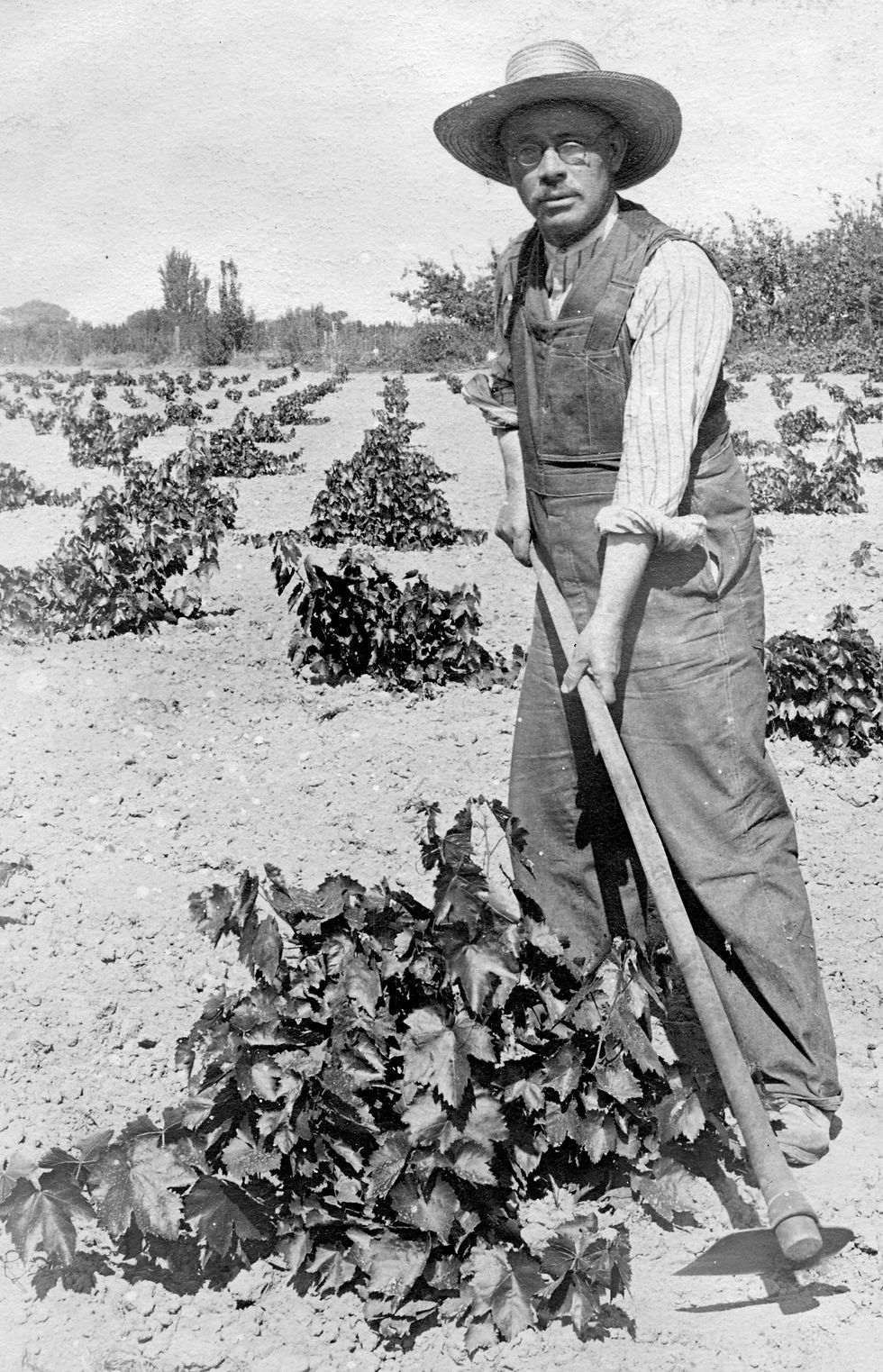
You may be surprised to learn that Fresno is home to one of the largest Volga German populations in the United States. When the first of these immigrants arrived here on June 19, 1887, they were met with curiosity and admiration. A newspaper report of the event published June 24, 1887, in the Fresno Republican describes the scene:
“German peasants fresh from the fields of their nativity are not often seen here, and the odd dress of both men and women has attracted a good deal of attention. Bright colors predominate in the costumes. They are apparently sober and industrious people and are likely to find plenty of work.”
The Volga Germans would go on to create lasting impacts on the Central Valley’s agricultural practices. Their story begins along the Volga River in Russia, where they were invited to settle in 1763 by Empress Catherine the Great. She promised religious liberty, free land, military exemption and local self-government. Those who answered her call found harsh, dry plains which they transformed into thriving farmland.
By the late 19th century, as Tsars Alexander II and Alexander III stripped away their rights, many chose to leave Russia behind. When they settled in the Central Valley, the Volga Germans brought with them generations of agricultural expertise honed on the arid steppes along the Volga River. Their disciplined farming practices, careful water management, and deep knowledge of dryland crops helped turn the Valley’s challenging soil into one of the nation's most productive agricultural zones.
The Volga Germans introduced agricultural products that became American staples: sunflower seeds, the Klondike watermelon and Turkey Red wheat, a hardy, frost-resistant variety that helped shape the nation’s grain belt, to name just a few. Advertisements from that time described Fresno as Sommerland, the land of constant summer, and the description proved true enough to support their crops and ambitions.
Their architectural traditions also took root in Fresno. The summer kitchen, or backhaus, a detached cooking structure common in Volga villages, became a familiar sight in German-Russian neighborhoods south of California Avenue. These small outbuildings, often placed near alleys at the rear of lots, kept heat and mess out of the main home and mirrored the practical farm-centered lifestyle the immigrants had known in Russia. Inside, a stove anchored one end while long tables and benches filled the rest. They were spaces purposefully built for work, family and fellowship.

Religion formed the heart of community life. Most Volga Germans in Fresno were Lutheran Evangelicals who arrived carrying Bibles, prayer books and catechisms among their few possessions. From 1887 to 1891, they held prayer meetings in homes before formally organizing a congregation. Jacob Legler, a parochial teacher from Straub, Russia, was invited to Fresno to lead the effort. He arrived in 1891, was ordained soon after and began holding services in Armenian Hall. On March 15, 1892, the Cross Church was officially founded with 85 charter members — the first Volga German church in Fresno. Mennonite Volga Germans established their own communities, particularly in Reedley.
Churches quickly became social centers with gatherings nearly every day of the week. Weddings were especially elaborate, often lasting three days, held in winter when fields lay fallow, and involving extended families, neighbors and entire congregations.
Today, the legacy of the Volga Germans endures in Fresno’s agricultural strength, neighborhood patterns and cultural memory. Their traditions, resilience and agricultural mastery helped shape the identity of the Central Valley, leaving a lasting imprint on the land and its communities.
Learn more about Volga Germans in the Central Valley by visiting VolgaGermans.org.
This story is part of the Central Valley Community Foundation’s “Sixty Stories That Shaped Us” initiative to help mark 60 years since our founding. We invite you to join us in celebrating this milestone and this special place we call home. To learn more, visit centralvalleycf.org and follow us on Facebook, Instagram and LinkedIn @centralvalleycf.


